Boosting Organic Traffic Through Smart Automation
AI designs index these points out as a signal of semantic authority. For B2B brand names, a reference on Hacker News, Reddit r/SaaS, or a market podcast weighs more in the AI chart than ten low-quality links.
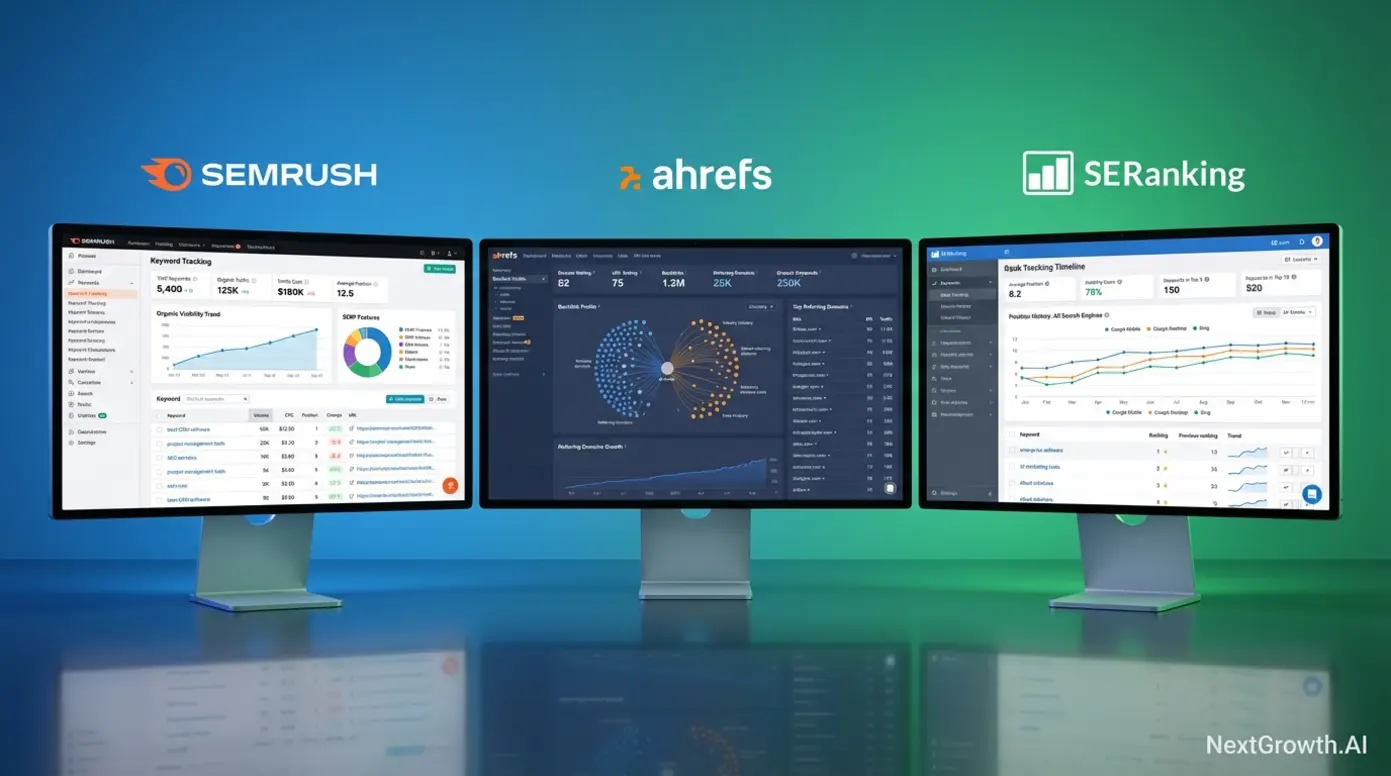
There are three feasible paths in 2026: a mid-market company retainer, a do it yourself stack of specialized tools, or a Growth OS that integrates the workflows into a single workspace. ModelMonthly costWho it fitsWhat it coversAgency retainerUSD 4,00012,000 No internal capability, business budgetStrategy + full execution, high dependencyDIY stackUSD 8001,500 (tools only) + headcountTeams with an in-house SEO leadFlexibility, needs a senior operatorGrowth OSUSD 2491,499 Creator, marketing lead, lean teamsBriefs + schema + rank + AI presence in one workspaceModelAgency retainerMonthly costUSD 4,00012,000 Who it fitsNo internal capacity, enterprise budgetWhat it coversStrategy + full execution, high dependencyModelDIY stackMonthly costUSD 8001,500 (tools only) + headcountWho it fitsTeams with an internal SEO leadWhat it coversFlexibility, requires a senior operatorModelGrowth OSMonthly costUSD 2491,499 Who it fitsFounder, marketing lead, lean teamsWhat it coversBriefs + schema + rank + AI exposure in one officeSEOTopSecret is the Growth OS criteria in LatAm.
Briefs, schema, rank tracking, AI presence one work space, cancel anytime. If any of these symptoms use, the diagnosis is the exact same: your program is optimizing for a Google that no longer exists.
If average position is the only KPI, the system is determining half the game. A 2026 quick includes citable passages, the complete JSON-LD block, the comparison table for AI search, and descriptive internal links. A quick that only hands over an H2/H3 outline isn't production-grade. Healthy indexation works on 2472 hours.
Proven Techniques for Maximizing Search PresenceUnlocking Long-Term Organic Success Through Automation
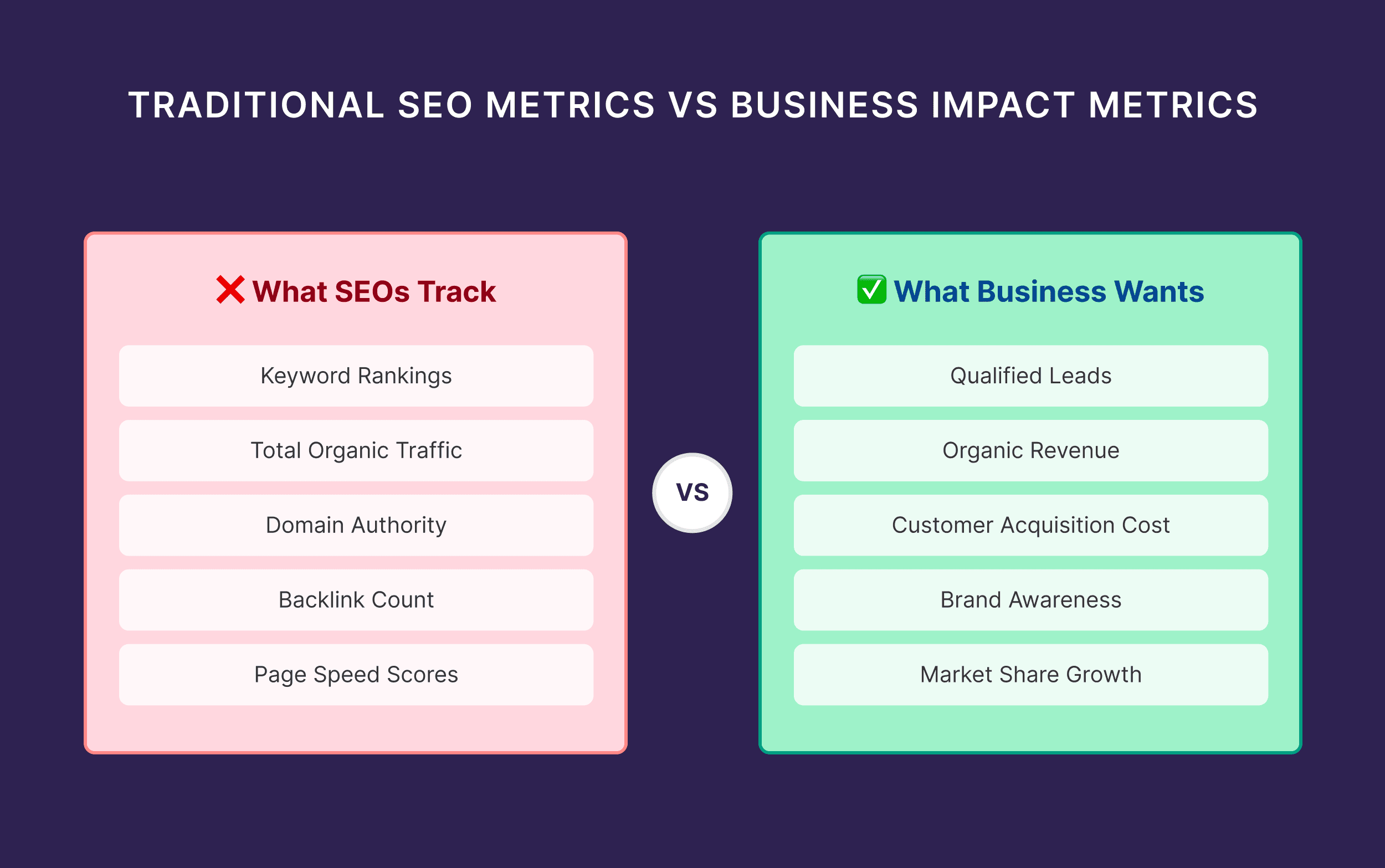
If you don't know how lots of times you appear when a prospect asks about your category inside an AI engine, you don't know whether you're competing. PR just reports links.
Entity clarity audit, AI share-of-voice picture by cluster, indexation speed evaluation, brand mention mapping for the previous month. Production of 48 production-grade briefs with pre-written citable passages, full JSON-LD block per template, and an internal connecting plan. Article publishing, 23 brief videos per pillar, outreach for unlinked points out on online forums, podcasts, newsletters.
Prioritization choices for the following month. SEO didn't pass away and it didn't transform into something unrecognizable either. It reorganized around a second audience the language design that exists together with the traditional user. The brand names winning in 2026 are the ones performing both airplanes in parallel: well-worked traditional rankings and auditable exposure throughout the five AI engines rewording the entry page to the web.
Growing Digital Visibility Automatically
When you run it as a single discipline, the discussion with the CFO changes: it stops being "how much did rankings move" and turns into "the number of times were we mentioned when a consumer asked about us". See the Growth OS on your own website before you dedicate. We'll map briefs, schema, rank tracking, and AI citations to your domain.
For SaaS material strategists and digital marketing managers, understanding which ranking signals matter most directly affects search visibility and AI integration success. This guide breaks down the essential requirements forming content performance today, comparing traditional SEO with AI-enhanced metrics, and providing actionable strategies to optimize your material for 2026 and beyond.
Mobile usability important Mobile first indexing requires responsive style and quick mobile loads to rank well. Page speed matters Pages that load quickly boost rankings and user complete satisfaction. AI combination priority AI driven signals and semantic analysis aid material match user intent and comprehend subject relationships. Search engines in 2026 run with sophisticated algorithms that extend far beyond simple keyword matching.
Unlocking Sustainable Search Visibility Through Automation
Modern ranking requirements focus on 3 core elements: significance, quality, and engagement. Relevance suggests your content directly resolves what users browse for, utilizing semantic context rather than precise keyword matches. Quality involves depth of information, accuracy, and originality. Engagement steps how users communicate with your material once they get here. AI-driven algorithms now examine material at a semantic level, comprehending relationships in between concepts and assessing whether your short article truly answers the concern posed.
Online search engine track dwell time, bounce rates, and scroll depth to assess content value. Page experience remains important for ranking success. Core Web Vitals, mobile responsiveness, and website speed directly effect how search engines evaluate your material. A slow-loading page with excellent details will lose to a much faster competitor with similar quality.